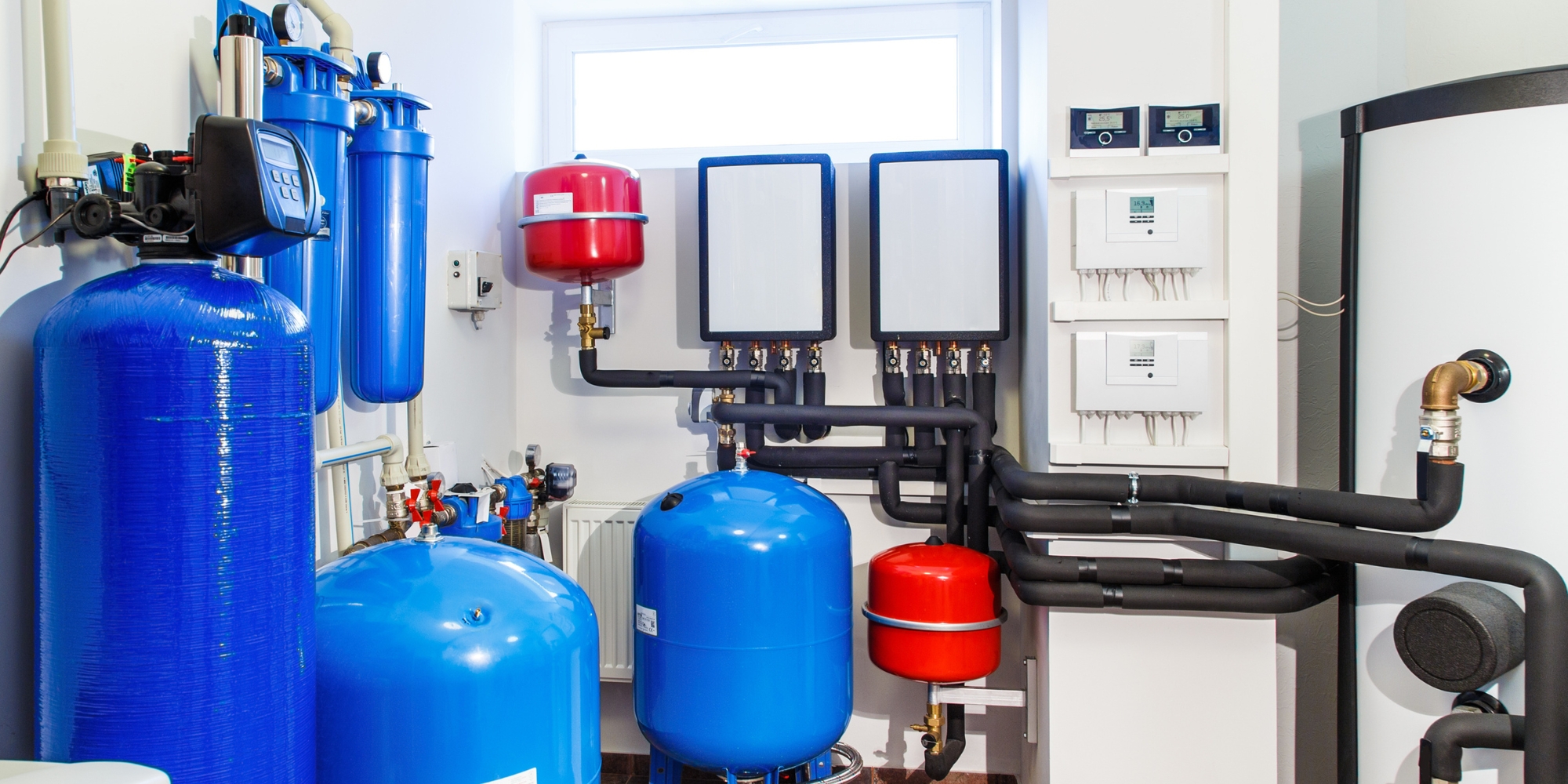
Water treatment systems are no longer a luxury—they’re a necessity for households and businesses that want clean, safe water. Before you jump into installing a water treatment system, it’s important to know what options are available. The right choice for you depends on the water quality, usage, and your specific needs. Here’s a look at some water treatment options you should be aware of.
Understanding Your Water Treatment Needs
Not all water is created equal, so the first step in selecting a treatment system is understanding your water’s characteristics. Is your water from a private well or a municipal supply? Does it contain hard minerals, chlorine, or bacteria? Testing your water is an essential first step.
Filtration Systems
Water filtration is the most common form of treatment. There are several types of filters, such as activated carbon filters, reverse osmosis systems, and UV filters. Each serves a different purpose, so it’s important to pick the one that suits your needs.
Activated carbon filters are great for removing chlorine, volatile organic compounds (VOCs), and taste and odor issues. Reverse osmosis systems, on the other hand, are better for eliminating more stubborn contaminants like heavy metals, pesticides, and salt. UV water treatment systems use ultraviolet light to kill bacteria and viruses, making them an ideal choice for those with concerns about microbial contaminants.
Softening Systems
Hard water, full of minerals like calcium and magnesium, can cause build-up in your pipes and appliances. If you live in an area with hard water, you might want to consider a water softening system. These systems use salt or potassium to remove excess minerals, preventing limescale buildup and making soaps and detergents more effective.
Distillation Systems
For those looking for a more thorough purification, distillation may be the answer. This method boils water to produce steam, then condenses it back into liquid form, leaving contaminants behind. It’s a solid option for removing minerals, heavy metals, and microorganisms. However, it’s not the best solution for large households due to its slower process.