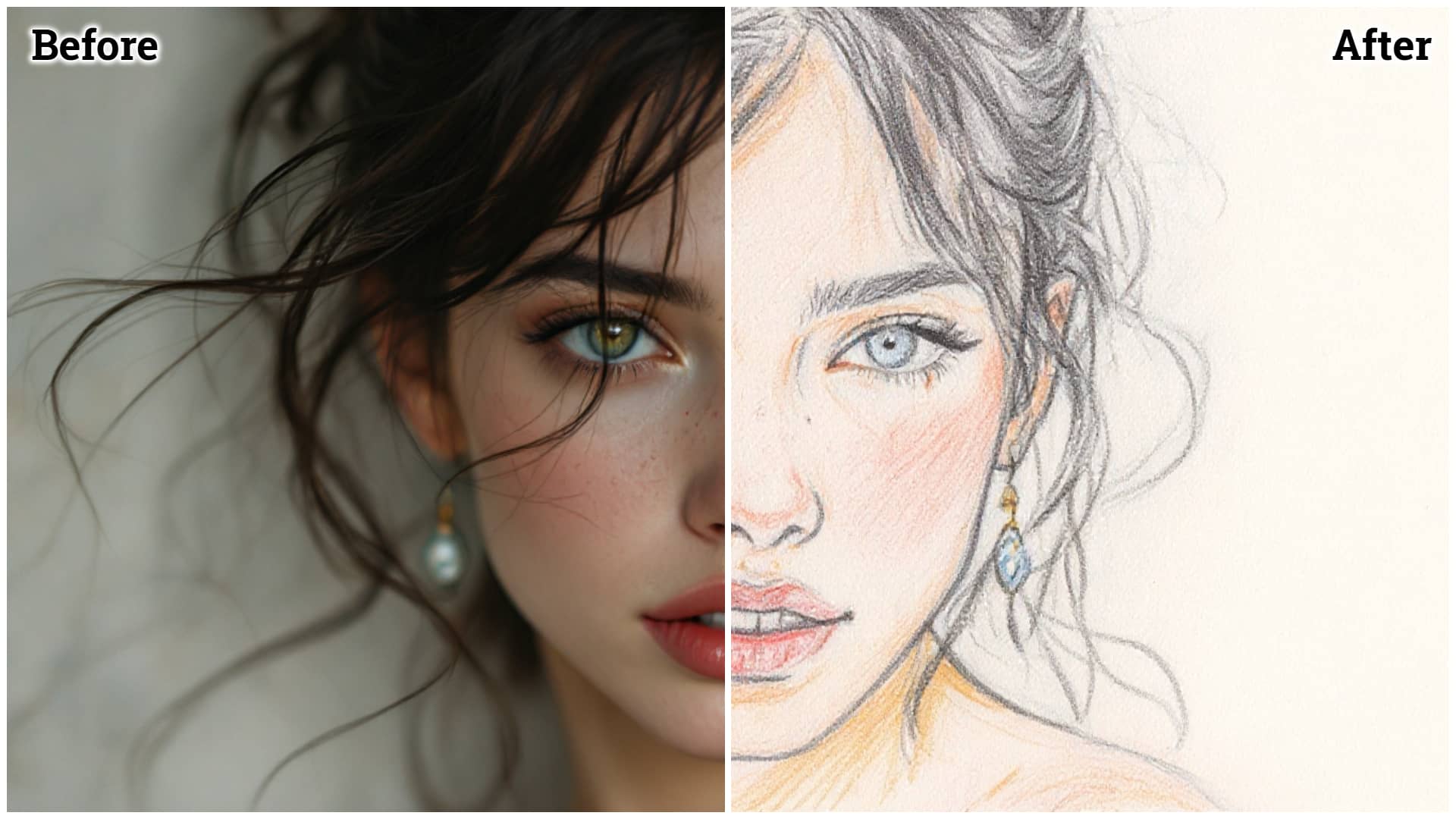
Open your gallery. Pick a random photo. Maybe it’s your dog mid-yawn. Perhaps it is a street in the city flooded with neon. Now drag it with an image to sketch AI converter tool. Boom. It is bled to death like a plug was pulled. Lines crawl into place. Shadows sharpen. All at once that commonplace snapshot seems as though it were in some musty art-journal. Same subject. Different soul. It is not like a file but rather a story.
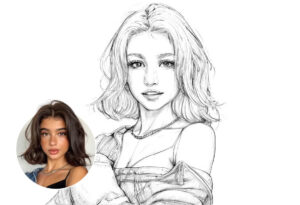
The technology is quick, but the experience is nostalgic. The system searches edges and contrast. It has turned the brightness into lines. Dark areas grow dense. Light areas breathe. Shades imitated by some styles include soft pencil. There are those who are daring, even comics-book loud. Even such minor adjustments in intensity will turn the moods between gentle and gritty. It is as though you were transforming a lisping murmur into a gravelly voice. The shift does not need to be experienced through understanding the code. You see it. Instantly.
This trick is best seen in portraits. Blemishes fade. Expressions deepen. Lines define cheekbones and brows when cameras fail to capture this. I even put it on a weary end of the day selfie. The sketchy version appeared cogitative, even morose. My friend made a joke, though, saying you look like you write poetry at 2 am. I don’t. But I liked the illusion. Lands themselves undergo make-over. Trees are torn into scribbled surfaces. Constructions acquire fantastic silhouettes. Even untidy cables in the air seem to be deliberate. It is odd how the removal of color can bring clarity.
Citizens do not draw these sketches to have fun only. In a highlight of glossy filters, profile pictures stand out more. Artists experiment with ideas prior to making pencil to paper. Teachers turn photos into colorings to the kids. Ideas of tattoos begin as sketches. Shirts and posters with prints are homemade. The outcome bears some kind of appeal which a simple photograph may not always possess. It appears considerate, though this may have been in seconds.
Nevertheless, the image at the beginning does count. Muddy lines come about because of blurry shots. Flat lighting gives dim end results. There is a great contrast that brings the sketch to song. Clean backgrounds help a lot. Experiment with angles. Try high-detail scenes. Attempt plain portraits using intense lighting. Delicate shading pleads with some images. Still others insist on heavy strokes, and not apologetic. Think of it as translation. The camera talks in pixels. The drawing responds using graphite tones. And at times that response is more of a personality than the initial ever was.